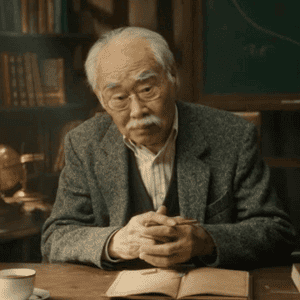

In the rapid adoption of generative AI tools, a recurring and often emotional critique has emerged: the assertion that using AI is nothing more than a 'cheat code.' This sentiment suggests that automation bypasses the necessary skill, effort, and time traditionally required for mastery in fields ranging from art and writing to coding and video production. As professionals at the forefront of this technological shift, we must address this debate directly. Using AI is not cheating; it is the inevitable next phase of technological and creative evolution, serving as a powerful accelerator for human intent.
Defining the 'Cheat Code' Misconception
The term 'cheat code' implies gaining an unfair advantage through illicit means, bypassing fundamental rules to achieve an unearned outcome. This perspective is rooted in a traditional, industrial-era definition of 'work' that equates effort with value. Critics argue that when an AI generates a complex image or a polished article in seconds, the creator has not put in the 'work'—the thousands of hours of practice, the manual labor, or the iterative refinement.
"The criticism conflates the reduction of manual labor with the absence of intellectual effort and creative direction. The value has shifted from execution to intention."
The Flaw in the Analogy
Historically, technological leaps have always been framed this way. Was the printing press 'cheating' compared to hand-copying manuscripts? Was the calculator 'cheating' compared to manual arithmetic? No. They were tools that augmented human capability, allowing effort to be shifted from rote execution to higher-level conceptualization. AI is simply the next, most powerful tool in this long lineage.
Reframing AI: The 'Evolutionary Toolset'
Instead of a cheat code, AI should be viewed as an **evolutionary tool** that fundamentally alters the division of labor between human and machine. This shift redefines what 'skill' means in the creative process.
1. The Shift from Execution to Intent
- Traditional Skill: Focused on the manual execution of a task (e.g., brush strokes, sentence structure, manual rendering).
- AI Skill: Focused on **Prompt Engineering** and **Intentionality**. The skill lies in clearly articulating the vision, providing high-fidelity instructions, curating the best output, and refining the model's response. The work moves from doing the task to directing the outcome.
2. The Acceleration of Iteration
In every creative field, mastery is achieved through iteration—rapidly testing ideas, failing, and refining. AI dramatically reduces the time barrier for this process. A designer who can generate 50 distinct logo mockups in an hour using AI can iterate and refine their concept far faster than one who spends a day sketching 5 mockups manually. AI doesn't remove iteration; it compresses the time required, making the creative cycle more dynamic and productive.
3. Democratization of Complexity
AI tools make sophisticated techniques accessible. A filmmaker can command a complex tracking shot from an AI video generator without mastering intricate 3D rendering software. This democratization allows individuals to focus on storytelling and narrative coherence, rather than being limited by the steep technical learning curve of traditional software. This lowers the barrier to entry, fostering a wider, more diverse creative landscape.
The Professional Stance: Ethical & Ownership Boundaries
Addressing the debate requires establishing clear professional boundaries:
- Ownership and Curation: The professional creator owns the **final result**, the **curation**, and the **prompt/direction**. Value is derived from the human judgment applied to the AI's output.
- The 80/20 Principle: AI handles the 80% of repetitive, lower-value tasks (drafting, styling, initial rendering). The human provides the crucial 20% of unique insight, emotional depth, and ethical oversight that transforms generic output into impactful content.
Visual Demonstration
Watch: PromptSigma featured Youtube Video
Conclusion: The Future Requires AI Competency
To label AI assistance as cheating is to cling to an outdated model of labor. Just as industrial machinery revolutionized manufacturing, generative AI is revolutionizing knowledge work. The successful creators of tomorrow will not be those who refuse to use AI, but those who are masters of its direction—those who understand that **AI is a tool for evolution, not an excuse for evasion.** The debate should move past 'cheating' and focus on the professional competency required to direct sophisticated intelligence to produce unprecedented levels of creative value. This is the new standard of mastery.